
1. Corrosion resistance in the actual process
Alloy 600 is used in chemical-processing equipment, but resistance varies with the medium. The manufacturer's technical bulletin provides the starting point for assessment. State the chemical composition of the process fluid, concentration, temperature and contamination risks in the enquiry.
2. Elevated-temperature duty
Oxidation resistance is one reason to consider alloy 600 for heat-related applications. A maximum temperature alone is insufficient for selection: identify whether exposure is continuous or cyclic and whether the component carries a sustained load.
3. Properties matched to the supplied condition
The alloy is strengthened by cold working rather than precipitation hardening. Ask for the delivery condition and required mechanical test results. Do not use an unqualified tensile-strength figure as a design allowable for every diameter or service temperature.
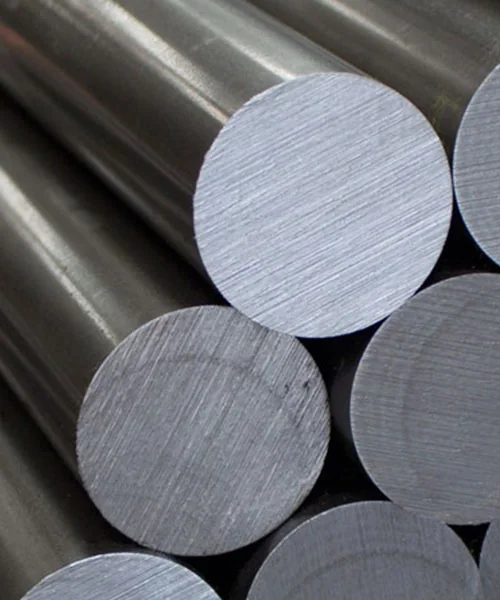
4. Round bar suited to the finished component
Specify the finished part and its machining route. A drawing helps establish the starting diameter, machining allowance, straightness, cut length and surface requirements. Bar stock is not interchangeable with tube, plate or a finished pressure component.
5. Fabrication planned before ordering
Machining and welding procedures must suit the alloy and component. Confirm tooling, workholding, joining and any subsequent treatment with the fabricator before fixing the supplied condition. Avoid assuming that a corrosion-resistant alloy will machine like ordinary steel.
6. Cost assessed across the job
Compare quotations against the same specification, condition and inspection scope. Include usable yield, machining time, documentation and delivery. Longer service life and lower maintenance cost require evidence from the intended duty; they are not guaranteed by the alloy name.
7. Traceable purchasing requirements
Include the governing bar specification and edition, grade, dimensions, quantity and inspection requirements. Ask how the heat identification will be maintained after cutting. If an alternative grade is offered, obtain engineering approval before treating it as a substitute.
What to include in your enquiry
Send the part drawing or diameter and length, process conditions, required supply condition and documentation. Use the product pages alongside the manufacturer's technical data when preparing the order. Confirm the final material selection with the responsible engineer.