
Corrosion performance is the main selection reason
Haynes identifies C-276 as UNS N10276 and describes resistance to a broad range of corrosive environments. Its technical data discuss pitting and crevice resistance in chloride-containing media. These properties support evaluation for process equipment; they do not guarantee resistance to every chemical mixture.
Define the process before choosing the alloy
Specify the fluid composition, concentration, operating temperature and expected contaminants. Include start-up, shutdown and cleaning conditions if they differ from normal operation. A material that performs in one laboratory solution may need further assessment for the actual equipment geometry and service cycle.
Welding considerations
The producer links the alloy's low carbon and silicon content to reduced concerns over welding. The component still needs an appropriate procedure, filler selection and inspection plan. State whether the order is for machining stock or material that will later be welded into an assembly.
Distinguish bar stock from finished equipment
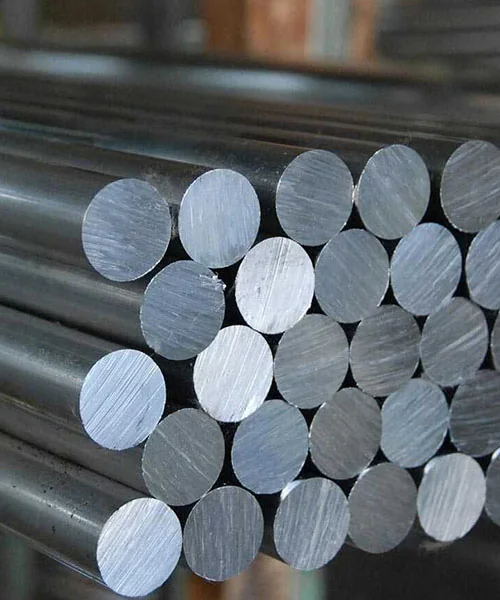
Typical alloy applications include chemical-process reactors, heat exchangers and columns. Those applications involve several product forms. A round-bar quotation concerns the specified stock and cannot by itself establish suitability or certification of a complete pressure-containing component.
Benefits should be checked against the alternative
Compare corrosion data for the proposed materials using the same environment. Consider fabrication, inspection and replacement access as part of the decision. Claims of guaranteed lifetime, maintenance savings or universal high-temperature suitability need project evidence and should not replace a materials assessment.
Prepare the purchase specification
Send the grade, governing bar standard and edition, diameter, length, quantity and delivery condition. Include required tests, documentation and heat identification. If a cross-reference or alternative is proposed, ask the engineering authority to approve it before the order is changed.